
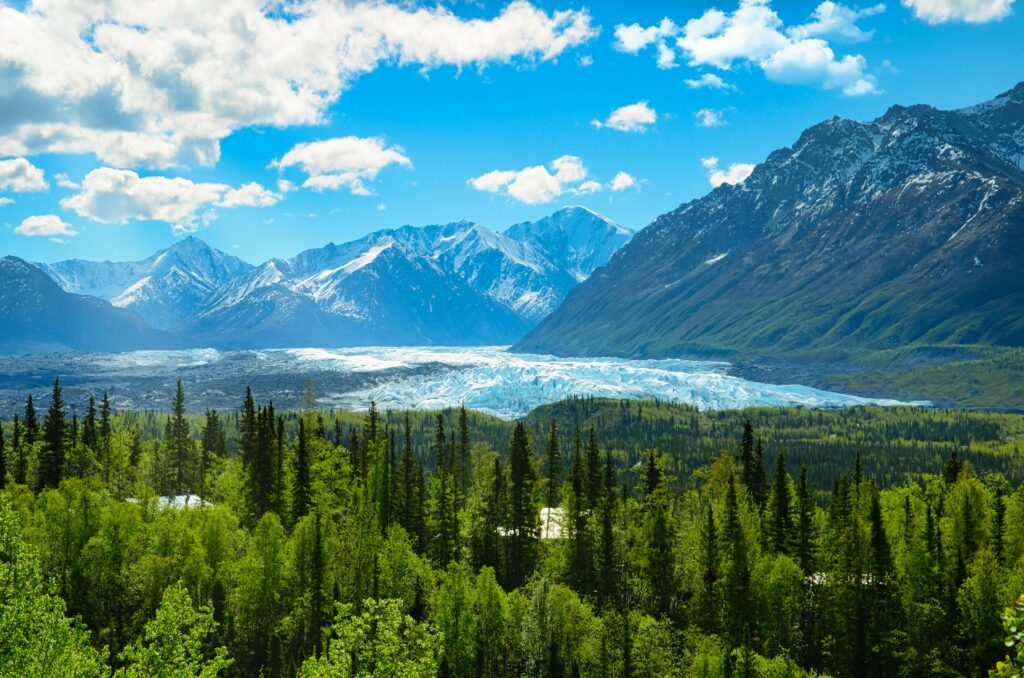
Alaska in 2026 remains one of the most rewarding places in the country to put a college degree to work—if you’re willing to embrace the long winters, vast distances, and extraordinary lifestyle that comes with living there. And there are many great Alaska jobs out there. The state’s unemployment rate sits at roughly 4.4%, but for people with bachelor’s degrees or higher the real-world job picture is far stronger: higher starting salaries, substantial overtime and hazard pay in many fields, generous relocation packages, and housing costs that remain far more attainable than in most coastal U.S. cities. A college degree isn’t just helpful in Alaska—it’s often the difference between good jobs and truly great ones.
Below are six strong, in-demand roles that actively favor (and frequently require) a four-year degree. These positions illustrate why investing in higher education continues to pay off dramatically in America’s Last Frontier.
1. Petroleum Engineer
Average Salary: $115,000–$165,000 (frequent overtime & bonuses push many over $180k)
Degree Required: Bachelor’s in Petroleum Engineering, Chemical Engineering, or Mechanical Engineering
The North Slope and Cook Inlet continue to produce oil and gas, and companies still need engineers who understand reservoir management, drilling optimization, and increasingly, carbon-capture and methane-reduction technologies. A four-year engineering degree is the standard entry requirement; without it, even experienced technicians rarely break into these roles.
Why the degree matters: Alaska pays engineers some of the highest salaries in the nation, and the degree is the gatekeeper to both the technical work and the long-term career progression for the se great Alaska jobs.
Top Employers: Hilcorp, ConocoPhillips, ExxonMobil, and BP legacy contractors.
2. Registered Nurse (BSN)
Average Salary: $95,000–$130,000 (rural differentials and overtime often exceed $150k)
Degree Required: Bachelor of Science in Nursing (BSN) strongly preferred or required at major facilities
Hospitals in Anchorage, Fairbanks, and the Mat-Su Valley, along with critical-access facilities in Nome, Bethel, Kotzebue, and Barrow, face persistent nursing shortages. BSN-prepared nurses command higher base rates and are prioritized for leadership and specialty positions.
Why the degree matters: Many rural Alaska facilities now require or heavily prefer BSNs for permanent roles, and the extra education opens doors to travel contracts, flight nursing, and public-health positions that pay premiums.
Top Employers: Providence Alaska Medical Center, Fairbanks Memorial, Mat-Su Regional, and tribal health organizations (ANTHC, Norton Sound, etc.).
3. Civil Engineer (Infrastructure & Arctic focus)
Average Salary: $90,000–$125,000
Degree Required: Bachelor’s in Civil Engineering or Environmental Engineering
Roads, ports, airports, water/wastewater systems, and climate-resilient infrastructure projects are constant across Alaska. Firms and state agencies need engineers who understand permafrost, seismic design, and extreme-weather construction.
Why the degree matters: Without the accredited engineering degree, it’s nearly impossible to sign off on plans or hold a Professional Engineer (PE) license—both of which are required for most public and large private projects.
Top Employers: State of Alaska DOT&PF, R&M Consultants, CRW Engineering, and federal contractors.
4. Environmental Scientist / Permitting Specialist
Average Salary: $80,000–$115,000
Degree Required: Bachelor’s in Environmental Science, Biology, Geology, or related field
Mining, oil & gas, renewable energy, and large infrastructure projects all require environmental baseline studies, permitting, and compliance monitoring. Firms and government agencies need degree-holders who understand Alaska’s unique regulatory environment (ADEC, DNR, federal NEPA), making these great Alaska jobs very in demand.
Why the degree matters: Most permitting and NEPA roles explicitly require a four-year science degree; without it, opportunities are limited to technician-level work.
Top Employers: Alaska Department of Environmental Conservation, DNR, Kinney Engineering, Stantec, and mining companies (Donlin Gold, Pebble, Red Dog).
5. Financial Analyst / Accountant
Average Salary: $75,000–$110,000
Degree Required: Bachelor’s in Finance, Accounting, Economics, or Business Administration
Anchorage, Fairbanks, and Juneau host banks, Native corporations, state government finance offices, and energy-company accounting teams that need analysts and accountants. CPA candidates and those with cost-accounting experience are especially in demand.
Why the degree matters: Most corporate and government finance positions in Alaska require the bachelor’s as a minimum; without it, advancement is extremely limited.
Top Employers: First National Bank Alaska, Wells Fargo, Alaska Permanent Fund Corporation, Cook Inlet Region Inc., Doyon Ltd.
6. High School Teacher – Math, Science, Special Education
Average Salary: $60,000–$90,000 (rural districts often higher with stipends)
Degree Required: Bachelor’s in Education or specific subject area + Alaska teaching certificate
School districts across the state—especially rural and Bush districts—face chronic shortages in STEM and special education. Many offer substantial signing bonuses, housing allowances, and loan-forgiveness programs for these great Alaska jobs.
Why the degree matters: Alaska requires a bachelor’s degree and state certification for full teaching licensure; alternative pathways exist, but they still demand the degree for permanent contracts. So take a deeper looker into these great Alaska jobs.
Top Employers: Anchorage School District, Fairbanks North Star Borough, Lower Kuskokwim School District, Northwest Arctic Borough School District.
Quick Tips to Land One of These Great Alaska Jobs
- Add “open to relocation to Anchorage / Fairbanks / Juneau / rural Alaska” to your LinkedIn headline—recruiters search that phrase daily.
- Use jobs.alaska.gov (state workforce site) and the Alaska Department of Education teacher portal.
- Highlight any willingness to work in rural or Bush locations—many employers offer housing stipends, relocation packages, and higher base pay for those positions.
- Tailor your resume to emphasize cost-of-living awareness and adaptability to extreme environments—Alaska employers value candidates who understand the realities.
A college degree in Alaska isn’t just a credential—it’s often the key that unlocks roles with exceptional pay, meaningful work, and a lifestyle most people only dream about. The jobs are real, the demand is persistent, and there is still plenty of room for motivated graduates.
If any of these great Alaska jobs sound like your next step, start working towards you degree today.