
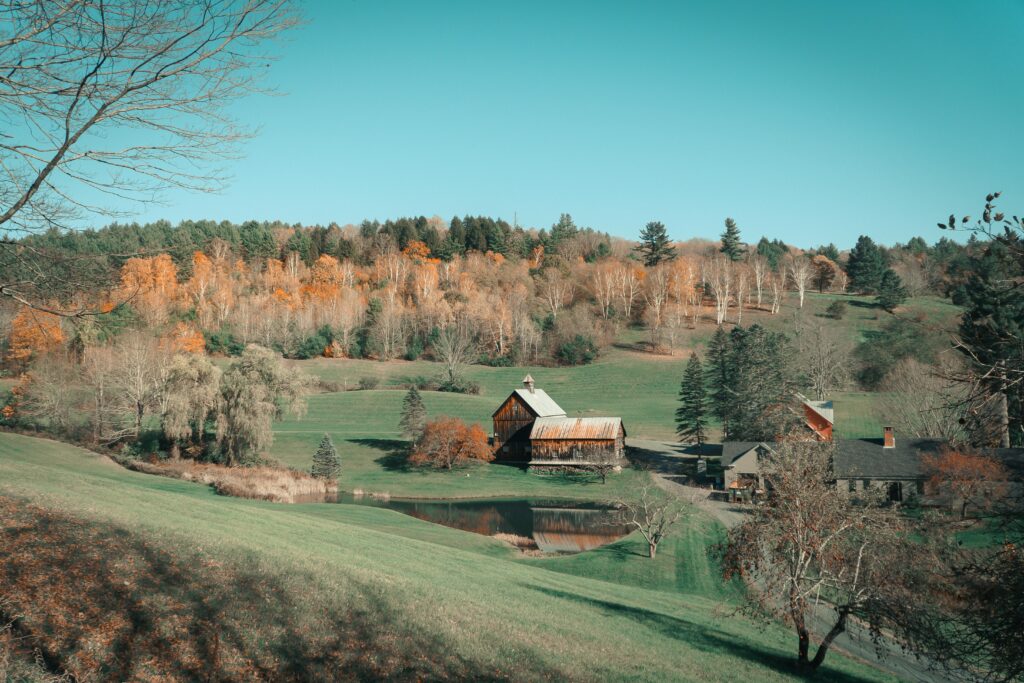
Looking for some great Vermont jobs? Vermont in 2026 remains one of those rare places where a college degree still feels like a genuine advantage—not just a checkbox, but a real key that unlocks better pay, better hours, and a lifestyle most people only dream about. The state’s unemployment rate hovers around 2.9%, housing prices outside Burlington and Montpelier are still sane compared to neighboring states, and employers across healthcare, tech, renewable energy, and education are actively seeking educated talent for a variety of great Vermont jobs.
A degree isn’t mandatory for every role here, but when it comes to the great Vermont jobs—the ones with six-figure potential, solid benefits, and long-term security—it almost always makes the difference between “good enough” and “this is exactly what I want to do.”
Great Vermont Jobs to Take a Look At
Here are six strong, in-demand careers right now that heavily favor (and frequently require) a bachelor’s degree or higher. These roles show why finishing—or finishing faster—can pay off handsomely in the Green Mountain State.
1. Software Engineer / Developer
Average Salary: $105,000–$145,000
Degree Required: Bachelor’s in Computer Science, Software Engineering, or related field
Burlington’s growing tech corridor—centered around the University of Vermont ecosystem and companies like Dealer.com (Cars.com), Logic Supply (OnLogic), and numerous remote-friendly startups—needs engineers who can build clean, scalable software. Vermont’s blend of outdoor lifestyle and high-speed internet has made it a magnet for tech talent who want both mountains and meaningful work.
A degree opens doors here that self-taught paths rarely reach at the same speed or salary level.
2. Registered Nurse (BSN)
Average Salary: $85,000–$120,000 + substantial sign-on bonuses
Degree Required: Bachelor of Science in Nursing (BSN) strongly preferred/required at major systems
The University of Vermont Medical Center in Burlington, Dartmouth-Hitchcock’s Vermont footprint, and community hospitals statewide face ongoing nursing shortages. BSN-prepared nurses command higher base rates, priority for specialty units, and access to leadership tracks.
The extra education often translates directly into $10k–$20k more per year plus faster career advancement with these great Vermont jobs.
3. Environmental / Sustainability Engineer
Average Salary: $85,000–$120,000
Degree Required: Bachelor’s in Environmental Engineering, Civil Engineering, or related field
Vermont’s aggressive climate goals (net-zero by 2045) and ongoing renewable-energy projects create steady demand for engineers who understand permitting, renewable design, and resilient infrastructure. Firms like VHB, Weston & Sampson, and state agencies need degree-holders who can navigate both technical and regulatory landscapes.
Without the accredited engineering degree, most of these roles are out of reach.
4. Financial Analyst / Accountant
Average Salary: $75,000–$105,000
Degree Required: Bachelor’s in Finance, Accounting, Economics, or Business
Burlington and Montpelier host finance teams for insurance (National Life Group), banking (People’s United now M&T), and tourism-related businesses. A finance or accounting degree is the baseline; the CPA or CFA accelerates movement into senior roles of these great Vermont jobs.
The degree is what separates entry-level support staff from analysts who influence real decisions.
5. Renewable Energy Project Manager / Engineer
Average Salary: $90,000–$130,000
Degree Required: Bachelor’s in Engineering (mechanical, electrical, environmental) or Energy Management
Vermont’s wind, solar, and hydro projects—along with Green Mountain Power’s innovation push—need professionals who can oversee permitting, grid integration, and project economics. Engineering or energy-management degrees are the most direct path.
The degree is what qualifies you to lead multi-million-dollar projects rather than just assist.
6. High School Teacher – Math, Science, Special Education
Average Salary: $60,000–$85,000 + loan forgiveness & rural incentives
Degree Required: Bachelor’s in Education or subject-specific field + Vermont teaching license
Districts in Chittenden, Washington, and Addison counties, along with rural areas, face ongoing shortages in STEM and special education. Many offer signing bonuses, loan forgiveness, and housing assistance for qualified candidates.
The bachelor’s degree (plus certification) is the non-negotiable entry point to these stable, respected positions.
Why a College Degree Still Matters So Much—and How to Get One Faster & Cheaper
These aren’t entry-level gigs you can land with a high-school diploma and grit. They’re roles with real responsibility, real pay, and real long-term security. Across the board, employers in Vermont continue to treat a bachelor’s degree as the minimum for advancement into the better-compensated, higher-impact positions.
If you haven’t finished your degree yet—or if you started but paused—don’t let that stop you from aiming for these great Vermont jobs. Programs like SmarterDegree make it realistic to complete (or finish) a bachelor’s faster and for far less money than traditional routes. Their accelerated, affordable pathways let you stack credits efficiently, often online, while working or raising a family—so you can move into one of these roles sooner rather than later.
Vermont rewards education. The difference between “decent job” and “great Vermont job” is almost always that piece of paper. If you’re ready to invest in yourself, the payoff here is still among the best in the Northeast.
Start exploring openings on VermontJobLink.com or the Vermont Department of Labor site. The opportunities are real—and the state has plenty of room for more degree-holders who want to build something lasting.